
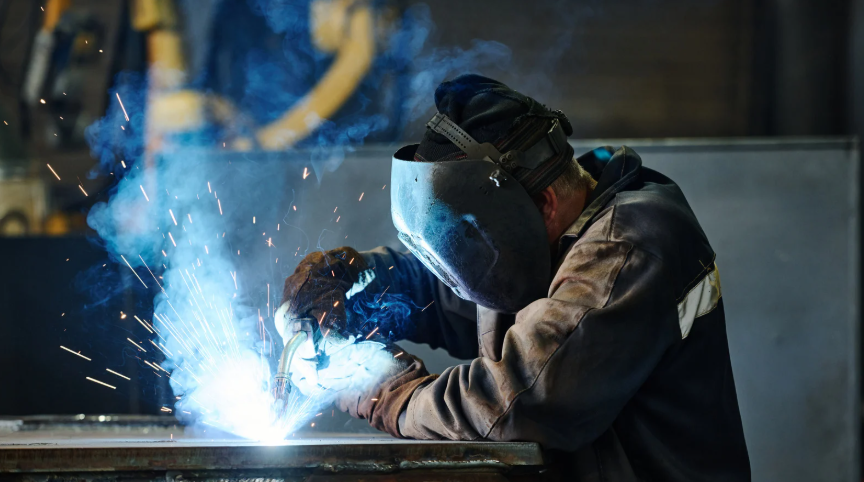
Welding is a vital process in many industries, but it comes with its risks, particularly concerning air quality in the workplace. The fumes and gases produced during welding can pose serious health risks to workers if not properly managed. One of the most effective ways to ensure a clean and safe workspace is by investing in high-quality welding ventilation systems. These systems play an essential role in protecting both the health of workers and the integrity of the environment.
Why Welding Ventilation Systems Are Essential
Welding produces fumes and gases that can be harmful when inhaled. These pollutants contain particles from metals and chemicals used in the welding process, which can lead to long-term respiratory problems. Proper ventilation systems are crucial for removing these contaminants from the air, ensuring the safety and well-being of workers.
A well-designed welding ventilation system does more than just clear the air—it helps create a more comfortable and productive workspace. Clean air improves workers’ health, reduces the likelihood of fatigue, and allows employees to focus on their tasks without the discomfort of poor air quality. Ventilation also helps maintain the temperature within safe levels, particularly in larger welding areas where the heat generated can be intense.
How Welding Ventilation Systems Work
Welding ventilation systems work by capturing, filtering, and exhausting the harmful fumes and gases produced during the welding process. There are different types of ventilation systems used depending on the specific needs of the workspace. Local exhaust ventilation systems, for example, are designed to capture fumes directly at the source of the welding, while general exhaust systems work to circulate air throughout the entire space.
One of the most effective ways to ventilate a welding shop is by using a combination of systems. Local exhaust systems are ideal for targeting high-intensity fume-producing activities, while general ventilation ensures consistent airflow throughout the room. In some cases, a large room ventilation system can be implemented to optimize airflow in a large industrial workspace.
Internal Solutions for Ventilating Welding Spaces
In addition to using specialized systems, another important consideration is the layout of your workspace. Properly positioning ventilation units can greatly enhance their effectiveness. For instance, placing ventilation systems strategically near welding stations ensures that the most hazardous fumes are captured at the source. Furthermore, ensuring adequate airflow in the entire workspace will prevent the accumulation of heat and fumes, creating a more comfortable working environment. Understanding the best ways to ventilate a welding shop is essential for maintaining safe airflow, reducing fume exposure, and supporting a cleaner working environment in welding spaces.
Conclusion
Welding ventilation systems are an essential component of maintaining a safe and clean workspace for welders. By removing harmful fumes and improving air quality, these systems significantly contribute to workers’ health, comfort, and overall productivity. Investing in the right welding ventilation system can help prevent respiratory issues and create a more efficient work environment. Whether you’re setting up a new workshop or upgrading an existing one, choosing the appropriate system and optimizing your workspace layout can make all the difference in achieving a cleaner, safer, and more productive workspace.