
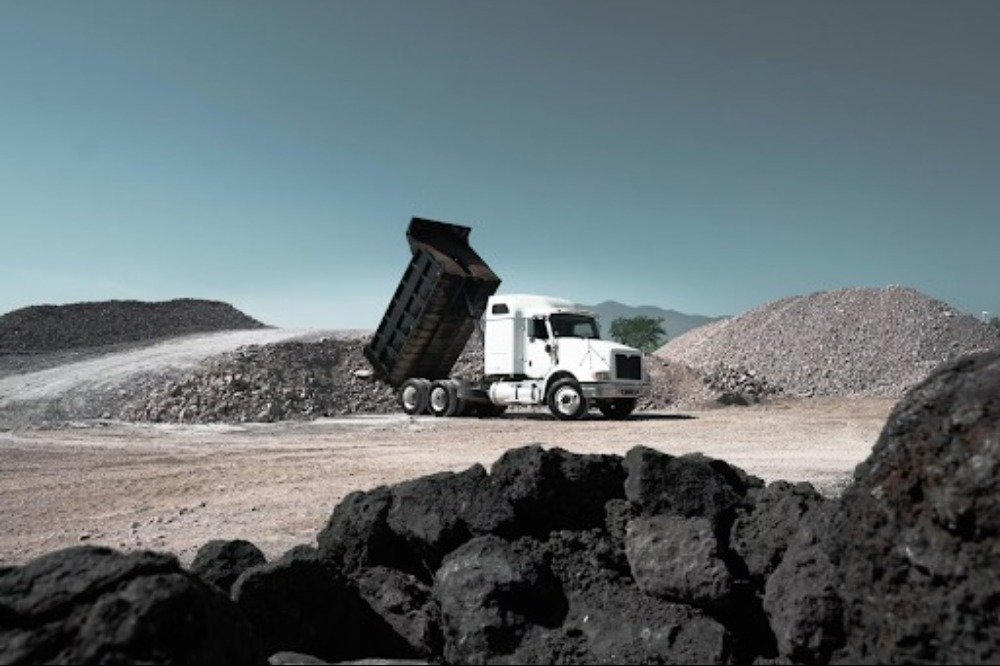
In industries ranging from food processing to pharmaceuticals, bulk material handling equipment plays an essential role in optimizing operations. This equipment is specifically designed to transport, store, and manage materials in large quantities, making it crucial for businesses that deal with bulk materials. Understanding its importance can help organizations streamline their processes, improve efficiency, and ultimately enhance profitability.
1. Enhancing Operational Efficiency
One of the primary reasons bulk material handling equipment is vital is its ability to enhance operational efficiency. By automating the movement and processing of bulk materials, businesses can significantly reduce manual labor and increase productivity. This equipment simplifies tasks such as loading, unloading, and transporting materials, eliminating delays that can occur with manual handling.
Consequently, the right bulk material handling equipment enables companies to maintain a smooth workflow, ensuring that production timelines are met and resources are utilized effectively.
2. Reducing Labor Costs
Investing in bulk material handling equipment can lead to substantial reductions in labor costs. With specialized machinery designed to manage large volumes of materials, companies can rely less on human labor, reducing the need for extensive staffing in warehouses and production areas.
This not only cuts labor expenses but also minimizes the risk of workplace injuries related to manual material handling. By prioritizing safety and efficiency, organizations utilizing bulk material handling equipment can create a healthier work environment while maximizing their returns on investment.
3. Improving Material Handling Safety
Safety is a crucial factor in any industrial operation, and this is where bulk material handling equipment shines. By mechanizing processes, the risks associated with manual handling, such as slips, trips, and falls, can be minimized.
Specialized equipment such as conveyors, hoppers, and blenders are designed with safety in mind, reducing the likelihood of accidents. Furthermore, better handling of bulk materials helps maintain quality control, which can prevent potential contamination or damage that might occur through improper handling methods.
4. Facilitating Effective Inventory Management
Bulk material handling equipment plays a vital role in efficient inventory management. By using automated systems for storage and retrieval, companies can maintain better control over their stock levels.
Advanced equipment integrates with inventory management systems to provide real-time data analytics, helping organizations track material usage, identify trends, and plan for future needs. This streamlined approach to inventory management mitigates the risk of stock shortages or overstock, making operations more efficient and reducing waste.
5. Supporting Environmental Sustainability
In an era where sustainability is increasingly important, bulk material handling equipment can contribute to environmental initiatives. Efficient material handling minimizes waste during production and reduces the energy required for operations.
By optimizing processes, companies can lower their carbon footprint and adhere to environmental regulations more effectively. Investing in modern bulk material handling equipment often emphasizes eco-friendly designs and practices, aligning businesses with sustainable goals and improving their overall market image.
Conclusion
In conclusion, understanding the importance of bulk material handling equipment is essential for any organization involved in the storage, transport, and processing of bulk materials. By enhancing operational efficiency, reducing labor costs, improving safety, facilitating effective inventory management, and supporting sustainability efforts, this equipment can play a critical role in the success of a business.
As industries continue to evolve, the significance of such equipment cannot be overstated, making it a necessary investment for companies looking to thrive in today’s competitive landscape. Embracing these advanced solutions is a step toward growth, efficiency, and long-term profitability.