
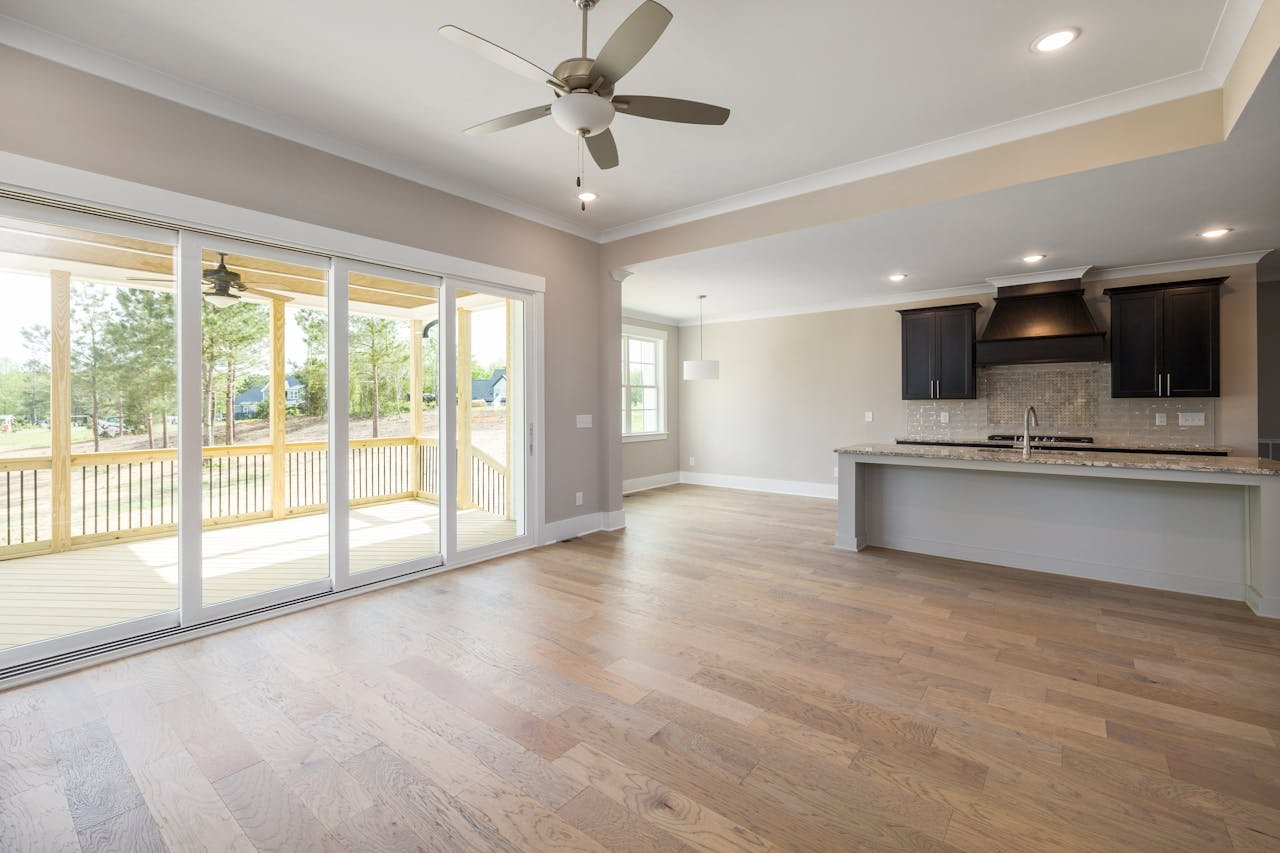
High ceilings instantly elevate a space. They bring in light, drama, and architectural presence — but they also change how windows need to be treated. What works in a standard-height room can feel awkward, underwhelming, or unfinished when ceilings soar. Window treatments in tall spaces aren’t just about covering glass; they’re about managing proportion, scale, and visual balance.
When handled thoughtfully, window treatments can ground high ceilings, enhance their grandeur, and make rooms feel warm rather than cavernous. The key is to embrace height instead of fighting it.
Use Full-Length Drapes to Emphasise Vertical Scale
In rooms with high ceilings, short or mid-length window treatments almost always fall flat. They interrupt the vertical flow of the wall and make windows feel disconnected from the architecture. Full-length custom drapes, on the other hand, celebrate height by creating long, uninterrupted lines from ceiling to floor.
Hanging drapes close to the ceiling — rather than directly above the window frame — visually elongates the wall and allows the window to feel appropriately scaled within the room. In especially tall, double-heighted spaces, letting the fabric just kiss the floor or break slightly adds softness without looking messy. The result is a window treatment that feels intentional and proportionate to the room’s volume.
Layer Drapes With Structured Shades for Balance
While height calls for drama, large expanses of fabric alone can sometimes feel overwhelming. Layering drapes with a structured under-layer, such as custom roman shades or roller shades, adds control and refinement. The shade handles day-to-day light filtering and privacy, while the drapes provide architectural presence and warmth.
This combination works particularly well in living rooms and bedrooms with tall ceilings, where flexibility matters. During the day, shades keep the space bright and functional; in the evening, closing the drapes brings the room back to a human scale, making it feel cosy rather than echoing.
Choose Heavier or Textured Fabrics to Ground the Space
High ceilings naturally draw the eye upward, which can sometimes leave a room feeling top-heavy or sparse at eye level. Window treatments help anchor the space, and fabric choice plays a major role here. Lightweight sheers alone may feel insubstantial in tall rooms, whereas heavier or more textured fabrics provide visual weight.
This doesn’t necessarily mean heavy velvet everywhere — though velvet can be stunning in formal spaces. Linen blends, wool mixes, or textured weaves also work beautifully, offering substance without stiffness. The goal is to give the eye something to rest on, balancing the openness above.
Use Pleating and Header Styles to Add Presence
In high-ceilinged rooms, the way curtains are constructed matters just as much as the fabric itself. Simple rod-pocket curtains can look underwhelming when stretched across tall walls. More structured pleating styles — such as pinch pleats, euro pleats, or goblet pleats — add fullness and visual authority.
These headers create rhythm and repetition along the top of the wall, reinforcing the height rather than diminishing it. They also help the curtains stack neatly when open, which is especially important when working with long panels that could otherwise feel bulky.
Break Up Height With Thoughtful Layering
While embracing vertical scale is important, uninterrupted height can sometimes feel stark. Window treatments offer a subtle way to introduce layers that soften the overall effect. Pairing drapes with roman shades, or even adding a discreet valance in more traditional interiors, helps break up the expanse without visually lowering the ceiling.
This technique works particularly well in rooms with very tall windows or multiple storeys of glass. The layers add depth and dimension, making the space feel richer and more considered rather than overly vast.
Pay Attention to Hardware Scale and Placement
In tall rooms, undersized hardware can quickly look lost. Curtain rods, brackets, and finials should be scaled to match the room’s proportions. Thicker rods and more substantial finishes help anchor the window treatment visually, ensuring it holds its own against high walls and large openings.
Placement matters too. Mounting hardware too low undermines the sense of height, while placing it closer to the ceiling allows the treatment to feel integrated with the architecture. The aim is for the hardware to feel deliberate, not like an afterthought.
Use Colour Strategically to Shape the Space
Colour can subtly influence how tall a room feels. Matching drapes to the wall colour emphasises height and creates a seamless look, while introducing a slightly deeper tone grounds the space and adds intimacy. In rooms that feel overly expansive, richer colours can help bring warmth and definition.
For a more architectural effect, consider curtains that contrast gently with the wall rather than sharply. This keeps the vertical lines strong without making the window treatment dominate the room.
Let High Ceilings Guide the Mood of the Room
Finally, it’s important to let the room’s purpose inform how dramatic your window treatments should be. Formal living rooms and dining areas can handle more structure, richer fabrics, and bolder pleating. Bedrooms may benefit from softer textures and layered solutions that prioritise comfort. In both cases, the height of the ceiling should guide scale — not intimidate your choices.
Final Thoughts: Dress the Height, Don’t Downplay It
High ceilings are one of a home’s greatest assets, and window treatments are the tool that allows you to use them well. By choosing full-length drapes, layering thoughtfully, and scaling materials and hardware appropriately, you can transform tall spaces from impressive to inviting.
Rather than trying to tame height, the most successful interiors lean into it — using window treatments to frame, ground, and elevate the room in equal measure.