
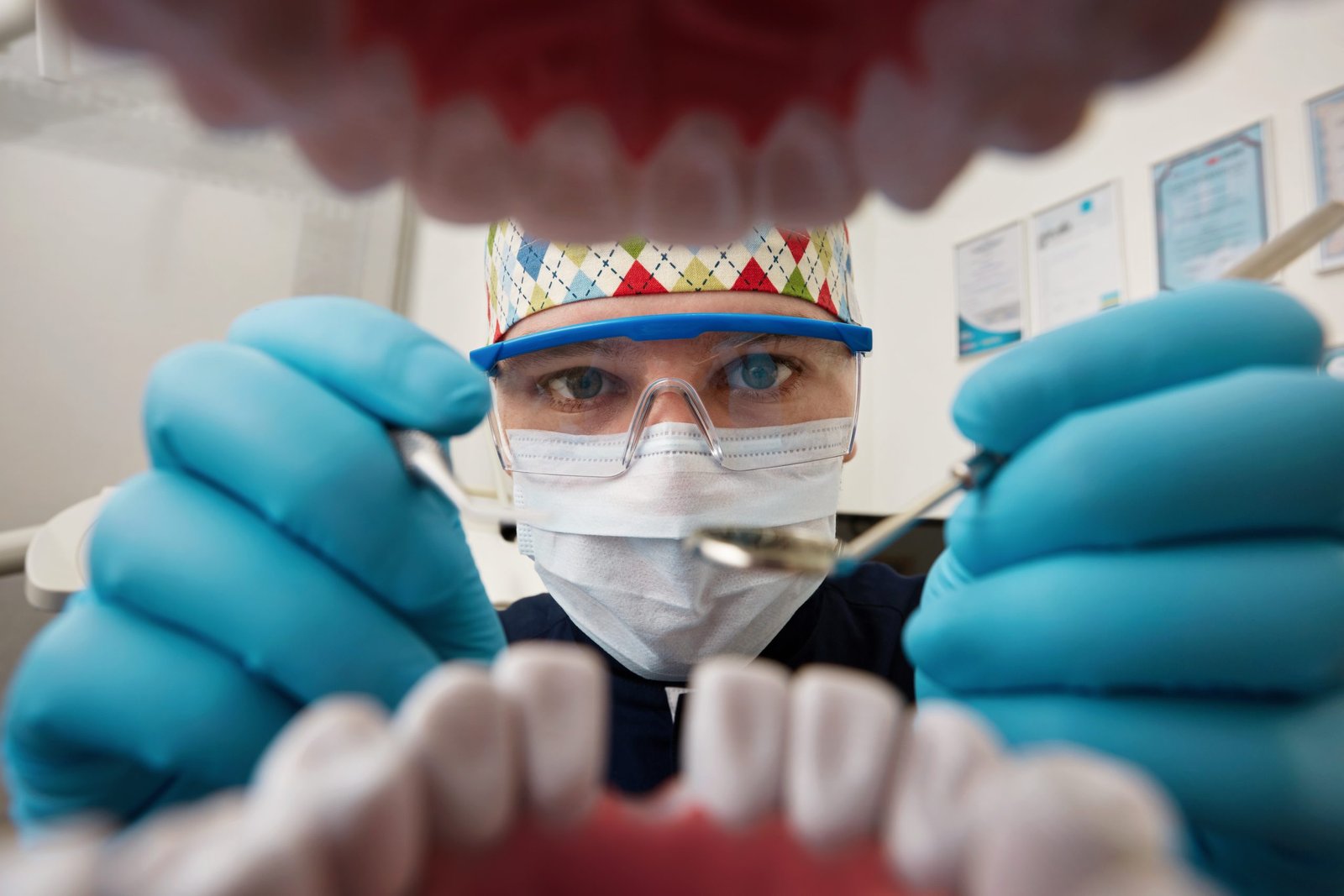
Your mouth is more than teeth. It’s a complex system that requires proper function to keep you healthy and pain-free. A dentist in Dedham, MA checks your bite force to ensure your teeth align and function well. This is important because an uneven bite force may lead to jaw discomfort, frequent headaches, or damage to your teeth over time. During your dental visit, the dentist places a thin sensor between your teeth. You bite as you normally would, and the sensor captures the pressure exerted between your top and bottom teeth. This data helps the dentist identify any imbalances or issues. By catching these problems early, the dentist can suggest treatments to correct your bite and prevent further issues. Having your bite correctly aligned improves your ability to chew and speak clearly, while also safeguarding your teeth and jaw from future complications. Ensuring your bite force is balanced supports your overall well-being and comfort.
Understanding Bite Force
Bite force refers to the pressure your teeth exert when you bite or chew. It’s crucial for tasks like chewing and speaking. However, when your bite force is not balanced, it leads to complications. Excessive force can wear down teeth or cause fractures. On the other hand, insufficient force affects how you chew food, impacting digestion and nutrition.
How Dentists Measure Bite Force
Technological advancements have made bite force assessment more precise. Dentists use thin film sensors. You simply bite down on this sensor, and it records data. This information helps in pinpointing any misalignments or imbalances. The process is quick and non-invasive, ensuring you remain comfortable during the examination.
Why Bite Force Matters
- Preventing Damage: A balanced bite protects teeth from chips, cracks, and excessive wear.
- Alleviating Pain: It reduces the risk of jaw pain, headaches, and discomfort linked to misalignment.
- Enhancing Function: Proper alignment supports effective chewing and clear speech.
Maintaining proper bite force is just one piece of the puzzle when it comes to a bright, healthy smile. For a more holistic approach to oral care, explore this guide on keeping your smile healthy and radiant with integrated dental care. It discusses comprehensive dental strategies that go beyond the basics and help preserve your overall dental well-being.
Comparing Bite Force Assessment Tools
| Tool | Method | Pros | Cons |
|---|---|---|---|
| Pressure Sensor | Measures force through sensors | Accurate, non-invasive | Requires equipment maintenance |
| Bite Force Meter | Handheld device | Portable, easy to use | Less accurate compared to sensors |
The Role of the Dentist
Once the dentist gathers bite force data, they analyze the results. If they detect any imbalances, they suggest treatment options. These may include orthodontic interventions or bite adjustments. Early intervention helps in preventing more significant issues down the line.
Ensuring Proper Care
Consistent visits to the dentist play a crucial role in keeping your bite force balanced and healthy. Your dentist will monitor any changes and address concerns promptly. For more detailed information on oral health, you can consult resources like the National Institute of Dental and Craniofacial Research. They provide valuable insights into dental care and advancements.
Conclusion
Your bite force is essential to your dental health. Regular assessments by a trusted dentist ensure your mouth functions correctly. Addressing bite force issues early can save you from pain, discomfort, and costly treatments. Make routine dental exams a priority and take an active approach to caring for your oral health.