
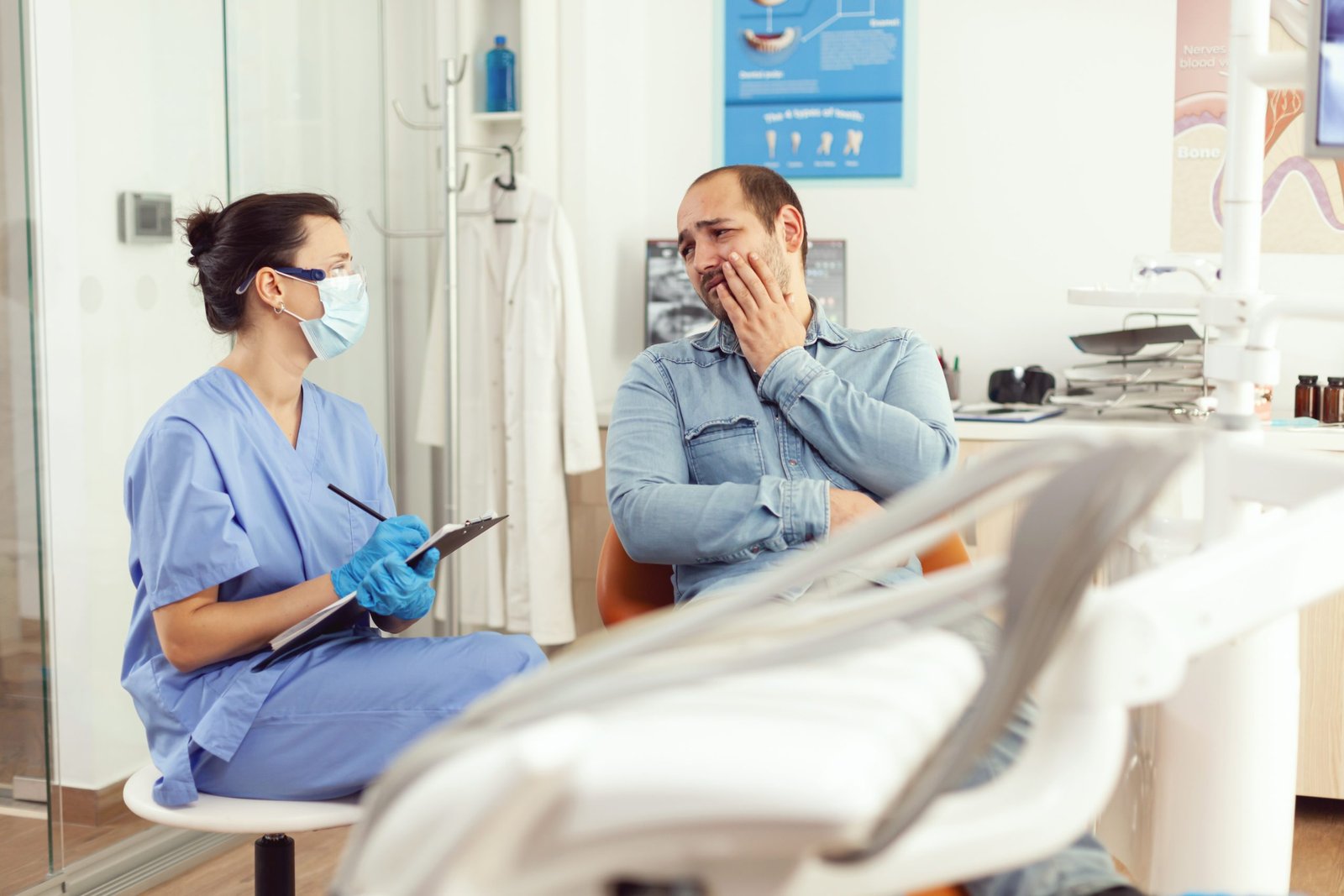
Dental emergencies can be frightening and painful. Whether it’s a sudden toothache, a broken tooth, or an accident, knowing what to do can offer relief and prevent further issues. Remaining composed and acting quickly are essential while dealing with a dental emergency. A Dentist in Arlington Heights, IL suggests these steps to guide you in such situations. First, assess the problem. Determine if it’s pain, bleeding, or damage. Next, address the pain with a cold compress and over-the-counter pain medication. Aspirin can worsen bleeding, so stay away from it. If a tooth is knocked out, try to put it back in its socket after giving it a gentle cleaning, or keep it in milk. Contact a dentist right away. Quick, decisive action ensures better outcomes and less discomfort. This guidance empowers you to handle emergencies with confidence and care.
Understanding Common Dental Emergencies
What constitutes a dental emergency may be a mystery to you. Here are common scenarios:
- Severe Toothache
- Chipped or Broken Tooth
- Knocked-out Tooth
- Lost Filling or Crown
- Abscess
Immediate Actions to Take
Each situation requires specific actions to minimize damage. Here is a simple guide:
| Emergency | Immediate Action |
|---|---|
| Severe Toothache | Rinse your mouth with warm water. To get rid of any food that has become stuck, use dental floss. Avoid placing aspirin on the gums. |
| Chipped or Broken Tooth | Save any pieces. Rinse mouth and broken pieces with warm water. Use a cold compress to reduce swelling and gauze to stop bleeding. |
| Knocked-out Tooth | Hold the tooth by the crown, rinse gently. Try to reinsert it, if possible. Otherwise, keep it in milk or saliva. |
| Lost Filling or Crown | Temporarily seal the region with sugarless gum or over-the-counter dental cement. Avoid using adhesive. |
| Abscess | Rinse with mild saltwater to ease pain. Seek immediate dental help to prevent serious complications. |
When to Seek Professional Help
For all dental emergencies, contacting a dentist quickly is essential. The American Dental Association stresses the importance of timely intervention to prevent further complications.
Preventing Future Emergencies
Avoiding dental emergencies requires proactive care:
- Wear a mouthguard during sports.
- Avoid chewing hard foods like ice or popcorn kernels.
- Practice good oral hygiene with regular brushing and flossing.
- Keep regular dental checkups to address issues early.
Final Thoughts
Dental emergencies require prompt and appropriate action. Knowing what to do when faced with one reduces anxiety and improves outcomes. By understanding common emergencies and the immediate actions needed, you take control of the situation. Always seek professional help to ensure proper treatment and recovery.