
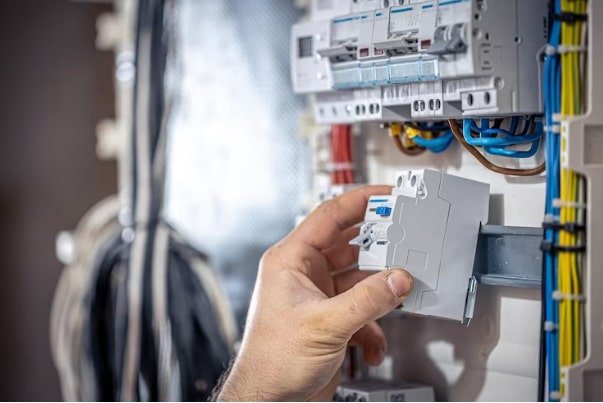
In the intricate dance of electrons powering our homes, circuit breakers emerge as unsung heroes, diligently safeguarding our electrical systems from potential disasters.
They are essential safety devices installed in your home’s electrical panel. Their primary purpose is to protect electrical circuits by preventing overloads, short circuits, and electrical faults that can cause damage or ignite fires.
This comprehensive guide aims to unravel the mysteries of circuit breakers, focusing on their pivotal role in defending our homes against overload.
Understanding Circuit Breakers
At its core, a circuit breaker is a guardian, a mechanical switch designed to disrupt the flow of electrical current when it surpasses safe limits. It acts as a vigilant protector, preventing wires from heating to dangerous levels and averting potential fires and their destructive damages.
Unlike fuses, circuit breakers don’t need replacement after tripping. They offer a reusable solution to interruptions caused by overloads or short circuits. The evolution of technology has seen circuit breakers become more sophisticated and adaptable to various electrical needs.
Types of Circuit Breakers
Here are the different types of circuit breakers out there:
Single-Pole Circuit Breakers
Ideal for light circuits and general applications, these breakers interrupt current flow in a single wire. They’re the backbone of many household electrical systems.
Double-Pole Circuit Breakers
Where heavier loads are involved, such as with large appliances or dedicated circuits, double-pole breakers, interrupting two wires simultaneously, are the go-to solution.
GFCI Circuit Breakers
Ground Fault Circuit Interrupter breakers are crucial in areas where water is present, like kitchens and bathrooms. They swiftly cut power if they detect imbalances in the electrical currents, preventing shocks and electrocution.
AFCI Circuit Breakers
Arc Fault Circuit Interrupters are designed to detect potentially dangerous arcing conditions, mitigating the risk of electrical fires. They’re often mandated in bedrooms and living spaces.
How Circuit Breakers Work
The most basic explanation for what they are is devices that monitor electrical current and cut off the power when current levels get too high. Here’s a detailed breakdown of how they operate:
Mechanism of Action
Picture a circuit breaker as a vigilant sentry. When excessive current surges through a circuit, the breaker’s internal mechanism trips, halting the flow of electricity. Once the issue is addressed, the breaker can be reset.
Overload and Short Circuit Protection
Circuit breakers offer a dual defence. They guard against overload, where too much current flows, and short circuits, where current bypasses its intended path.
Ensuring Electrical Safety
The fundamental role of a circuit breaker is to ensure electrical safety. By swiftly interrupting the flow of electricity during irregularities, it prevents wires from overheating and equipment from getting damaged.
Common Causes of Overload
Understanding what constitutes an overload is essential. Appliances drawing excessive power, outdated wiring, or multiple devices plugged into a single circuit can all contribute to overload.
The Importance of Balanced Loads
Balancing the electrical load across circuits is crucial. A disproportionate distribution of devices can lead to overloaded circuits and potential disruptions.
Signs of Overload
Visual Indicators
Sure signs indicate an overloaded circuit, from flickering lights and warm outlets to the subtle humming of electrical appliances. These visual cues should prompt a closer inspection.
Troubleshooting Overload Issues
In the event of a tripped circuit breaker, identifying and resolving the cause is imperative. This troubleshooting process involves identifying the specific circuit, assessing the connected devices, and redistributing the load if necessary.
Resetting a Tripped Circuit Breaker
Resetting a tripped circuit breaker is a straightforward process. Locate the breaker in the electrical panel, switch it entirely to the “off” position, then back to the “on” position. However, recurrent tripping might indicate an underlying issue, warranting professional attention.
When to Seek Professional Assistance
If a circuit breaker consistently trips or if there’s visible damage, it’s time to call a licensed local electrician. Attempting to address complex electrical issues without expertise can lead to more significant problems.
Upgrading Your Circuit Breaker Panel
Each breaker panel has a maximum capacity it can handle. It’s crucial to leave the panel with only a few devices drawing power simultaneously. Different circuits in your home require different amperages. The breaker sizes are chosen based on the specific needs of each circuit.
Recognising the Need for Upgrade
As technology advances and electrical demands increase, older panels might struggle to keep up. Recognising when it’s time for an upgrade ensures your home’s electrical system remains efficient and safe.
Benefits of Modern Panels
Modern circuit breaker panels offer enhanced safety features, better load distribution, and compatibility with the latest technologies. Upgrading is an investment in the longevity and reliability of your home’s electrical infrastructure.
Professional Panel Upgrades
For a seamless transition to a modern circuit breaker panel, enlist the services of a qualified electrician. They ensure the installation adheres to local codes and standards, guaranteeing optimal performance.
Circuit Breaker Maintenance Tips
You’ve got to regularly check them in order to ensure they work properly and to ensure your home’s electrical safety.
Regular Inspection and Testing
Scheduled maintenance is critical to a circuit breaker’s longevity. Regularly inspecting for signs of wear, testing the functionality, and tightening connections contribute to a reliable electrical system.
Cleaning and Tightening
Dust and debris can accumulate within electrical panels, affecting performance. Cleaning and tightening connections alleviate potential issues and maintain the breaker’s efficiency.
Replacing Ageing Breakers
As circuit breakers age, their effectiveness may diminish. Knowing when to replace ageing breakers ensures continuous protection against overloads and faults.
Importance of Professional Installation
Ensuring Proper Installation
Professional installation of circuit breakers is paramount. From accurate sizing to compliance with local electrical codes, experts ensure your home’s electrical defences properly.
Compliance with Codes
Adherence to local electrical codes isn’t just a formality; it’s a commitment to safety. Professional installers guarantee your circuit breaker system aligns with established regulations, minimising risks and ensuring reliability.
Conclusion
In conclusion, circuit breakers are the backbone of our home’s electrical safety. Understanding their types, mechanisms, and signs of overload empowers homeowners to maintain a secure electrical environment. From resetting a tripped breaker to deciding to upgrade your panel, these insights ensure your home’s defence against overload remains robust.
By embracing regular home maintenance practices, recognising the need for upgrades, and prioritising professional installation, you contribute to the longevity and reliability of your home’s infrastructure. In the symphony of electrons powering our lives, let circuit breakers be the unwavering guardians, ensuring a harmonious and safe electrical experience within your home.